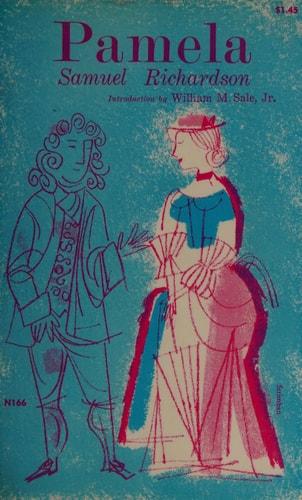
"Pamela, or Virtue Rewarded" by Samuel Richardson explores several key themes and topics that can help in drawing connections to other literary works. These include:

*   **Virtue and Chastity:** The novel heavily emphasizes the importance of virtue, often equating it with virginity. Pamela's struggle to maintain her chastity against the advances of her master, Mr. B, is central to the plot. The rewards she receives for her virtue are both spiritual and material 【3】【4】.
*   **Social Class and Inequality:** The story highlights the dynamics between different social classes, particularly the power imbalance between a wealthy employer and a servant girl. It also touches upon the sexual double standard, where actions that disgrace women do not affect men in the same way 【2】【6】.
*   **Personal Integrity and Morality:** Pamela's steadfast adherence to her principles, even in the face of threats and isolation, showcases her personal integrity 【2】【5】.
*   **The Epistolary Novel Form:** "Pamela" is written in an epistolary style, primarily through Pamela's letters and journal entries 【5】【7】. This format allows readers direct access to her thoughts and experiences.
*   **Naivety and Innocence:** Pamela is portrayed as innocent and naive, which contributes to the themes of childhood innocence 【9】.

The novel's exploration of these themes, particularly virtue, social class, and the challenges faced by women, can be connected to other works that delve into similar subject matter. Its status as one of the **first modern novels** and its pioneering use of the **epistolary form** also make it a significant point of reference in literary history 【1】【7】. The novel's popularity also led to parodies and sequels, such as Henry Fielding's "Shamela," indicating its impact on contemporary literature 【8】.