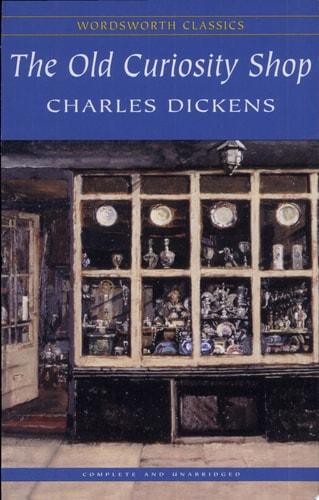
"The Old Curiosity Shop" by Charles Dickens explores several key themes and topics that can help you draw connections to other books:

*   **Poverty and Social Injustice:** The novel vividly portrays the struggles of the poor, particularly the vulnerability of children like Little Nell, and the harsh realities of debt and usury. This theme connects to other Dickensian works and social reform novels.
*   **The Contrast Between City and Country:** Dickens highlights the stark differences between the "grimy and greedy center of London" and the "peace and freedom" found in the countryside. This theme can be explored in books that examine urban versus rural life or the search for an idealized natural setting.
*   **Greed and Obsession:** The character of Quilp and Nell's grandfather's gambling addiction exemplify the destructive nature of greed and obsession, which drive much of the plot. This theme is common in literature dealing with moral decay and the consequences of unchecked desires.
*   **Innocence and Corruption:** Little Nell represents innocence navigating a corrupt world. Her journey highlights the loss of innocence and the challenges of maintaining purity in the face of adversity.
*   **The Fleeting Nature of Material Possessions:** The titular shop itself symbolizes the transient nature of material wealth and the dangers of becoming overly attached to possessions. This can be linked to books that explore themes of materialism, consumerism, or the impermanence of worldly goods.

"The Old Curiosity Shop" was published serially between 1840 and 1841 in Dickens's magazine, *Master Humphrey's Clock* 【1】【2】. Its popularity was so immense that readers in New York reportedly rushed to the docks to get the final installment 【1】.