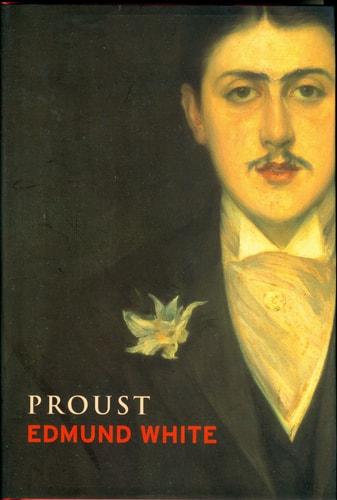
Edmund White's biography, "Proust (Lives)," explores several key themes and topics related to the life and work of Marcel Proust, which can help in drawing connections to other books. These include:
* **The creative process and the artist's life:** The book delves into Proust's dedication to his work, particularly "Remembrance of Things Past," and how his life experiences informed his writing. It touches on his reclusive nature and his meticulous rewriting process 【2】【3】.
* **Memory and involuntary memory:** White highlights Proust's iconic use of the madeleine as a symbol for involuntary memory, a concept that has led to the term "Proustian experiences" 【1】. This theme connects to other works exploring memory, nostalgia, and the subjective experience of time.
* **Social life and personal relationships:** The biography examines Proust's engagement with Parisian salons, his social standing, and his complex personal relationships, including his struggles with his homosexuality 【3】【5】. This aspect can be linked to books dealing with social dynamics, personal identity, and the impact of societal norms on individuals.
* **Homosexuality and hidden identity:** White, as a gay author, offers unique insights into Proust's closeted homosexual life, exploring the torment and secrecy associated with it 【3】【4】. This theme allows for connections to literature that addresses LGBTQ+ experiences, themes of hidden identity, and the societal pressures of the time.
* **Psychological depth and personality:** The book offers a psychological appreciation of Proust's "strange personality" and "charismatic genius" 【2】. This can be connected to literary analyses of character development and the exploration of complex human psychology.
* **Literary influence and legacy:** White's work positions Proust as a highly admired novelist whose influence has been significant, even overshadowing contemporaries like Joyce and Woolf 【1】. This theme can be used to connect with books that discuss literary history, the impact of major authors, and the evolution of literary movements.
* **The intersection of art and life:** The biography explores how biographers often act as "code-breakers," translating Proust's art back into his life 【7】【8】. This theme can be linked to books that examine the relationship between an author's life and their literary output, as well as biographical studies in general.
White's approach, as a novelist himself, allows for a focus on "the minutiae of the past so that it might live again" 【6】, offering a sympathetic and insightful portrayal that can serve as a guide for readers new to Proust or those seeking a deeper understanding 【2】【4】.