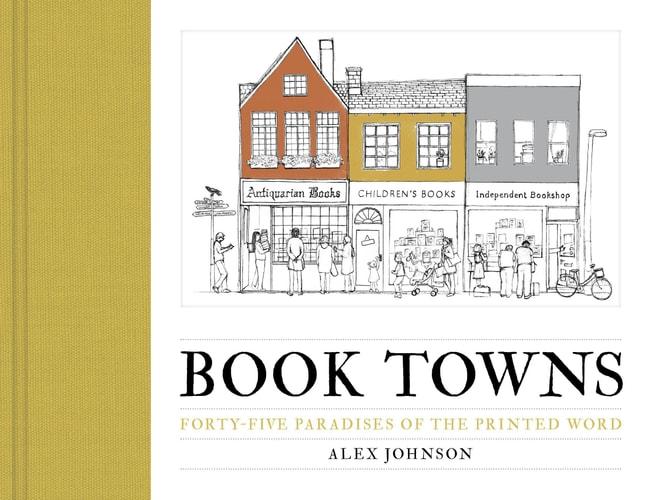
"Book Towns: Forty-Five Paradises of the Printed Word" by Alex Johnson explores the concept of **book towns**, which are defined as small, often rural and scenic towns that are dedicated to literature and filled with bookshops and book-related industries 【1】【2】. The book serves as a guide to these literary havens around the world, showcasing over 40 such communities 【3】【4】.
Key themes and topics that can help draw connections to other books include:
* **Literary Tourism and Travel:** The book highlights towns that have become destinations for book lovers, offering practical travel advice and showcasing the unique attractions of each location 【3】【4】. This connects to travel literature, guides, and books about unique destinations.
* **Community Revitalization and Sustainable Tourism:** Many book towns have emerged as a way for communities to thrive economically by focusing on books and local artistry 【1】【2】. This theme can be linked to books on urban planning, economic development, community building, and the impact of niche industries on local economies.
* **The Love of the Printed Word:** The book is a testament to the passion people have for books and the written word 【1】【2】. This connects to literature, bibliophilia, the history of books, and the cultural significance of reading.
* **Unique Business Models and Niche Markets:** The success of book towns demonstrates how a concentration of specialized businesses can create a viable and attractive market 【5】. This theme can be explored in books on entrepreneurship, niche marketing, and the creative adaptation of traditional industries.
* **Cultural Geography and Heritage:** The book explores how towns have reinvented themselves by embracing a literary identity, often incorporating historical buildings and local craftsmanship into their book-related industries 【3】【4】. This links to books on cultural geography, heritage preservation, and the evolution of place identity.
The author, Alex Johnson, is a writer and journalist with a passion for exploring unique cultural phenomena, including literary-centric communities 【6】【7】. His work often delves into niche subjects, celebrating how books shape cultural and social landscapes 【7】【8】.