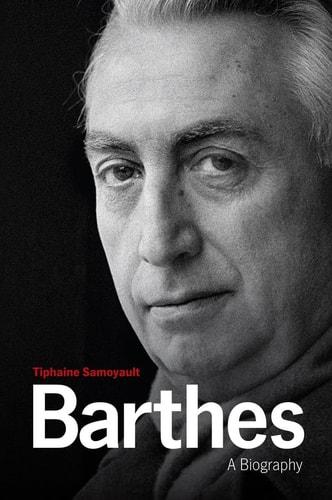
"Barthes: A Biography" by Tiphaine Samoyault explores the life and work of Roland Barthes, a prominent French essayist, critic, and semiotician. The biography draws on previously unexplored archival materials, including journals and notebooks, to shed light on Barthes's intellectual positions, political commitments, ideas, beliefs, and desires 【1】【2】.
Key themes and topics covered in the book that can help draw connections to other works include:
* **Literary Theory and Semiotics**: Barthes was a key figure in structuralism and semiotics, the study of signs and symbols 【8】【10】. The biography delves into his groundbreaking writings in these fields 【5】【6】.
* **The "Death of the Author"**: This influential essay by Barthes challenged traditional literary criticism by arguing against the importance of an author's intentions and biography in interpreting a text 【3】【9】. The biography addresses the complexities of approaching Barthes's own life given this thesis 【13】【14】.
* **Autobiography and Self-Representation**: Barthes experimented with autobiographical forms, such as "Roland Barthes by Roland Barthes," which interrogated himself as a text 【11】【12】.
* **Mythology and Culture**: The book details the myths Barthes castigated and his engagement with the languages and cultural phenomena of his time 【1】 【2】.
* **Intellectual and Political Engagements**: The biography examines Barthes's intellectual positions and his political commitments 【1】【2】.
* **Personal Life and Influences**: It offers insights into his personal life, including his upbringing and the influences that shaped his intellectual pursuits 【7】【8】.
The biography is noted for providing an introduction to Barthes's diverse writings, which spanned from literary theory to meditations on human existence 【5】【6】. It also highlights the extensive archives related to Barthes's literary estate, suggesting further avenues for study 【4】.