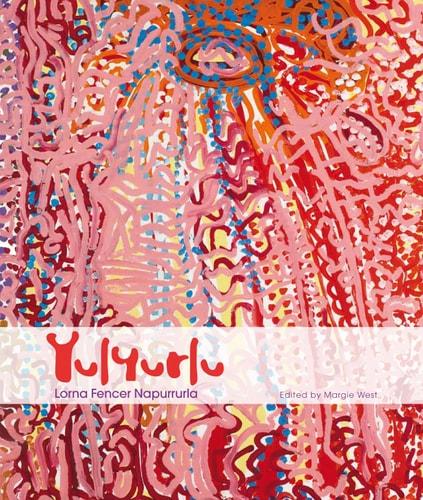
The book "Yulyurlu: Lorna Fencer Napurrula" by Margie West explores themes and topics related to **Aboriginal Australian art, culture, and spirituality**, with a specific focus on the **Warlpiri people** and the artist **Lorna Fencer Napurrurla**.
Key themes and topics include:
* **Dreaming Stories (Jukurrpa):** The book delves into the traditional Warlpiri Dreamings that Lorna Fencer Napurrurla inherited and depicted in her art. These stories are central to Warlpiri identity and cultural practices 【2】【3】.
* **Yam Dreaming:** A significant focus is on Lorna's connection to the Yam Dreaming, which she inherited from her father and held proprietary rights to as *kirda* 【3】【8】. This includes the depiction of the Yam (Yarla) and its significance 【8】【12】.
* **Central Desert Art Movement:** The book positions Lorna Fencer Napurrurla as a pioneering and original artist within the broader context of the Central Desert art movement 【4】【7】.
* **Warlpiri Identity and Culture:** It highlights how Lorna maintained and strengthened her cultural identity through ceremonial activities and art, especially after being forcibly relocated to Lajamanu 【1】【10】.
* **Women's Art Movement:** Lorna is recognized as a key figure in the women's art movement, departing from traditional male iconography to develop a more personal and artistic expression 【1】.
* **Artistic Style and Innovation:** The book showcases Lorna's bold, expressive, and original artwork, her masterful use of color, and her ability to depict traditional stories with a fresh and individual approach 【2】【6】.
* **Custodianship and Country:** It touches upon Lorna's role as a custodian of sacred country and her connection to specific sites like Yumurrpa 【9】【11】.
* **Biographical Account:** The book provides a comprehensive profile of Lorna Fencer Napurrurla's life and career, tracing her development as an artist over twenty years of practice 【5】【7】.
These themes can help connect the book to other library resources on **Australian Aboriginal art history, Indigenous Australian culture, mythology, and the specific artists and art movements of the Central Desert region**. It can also be linked to works discussing **forced displacement and cultural resilience** among Indigenous communities.