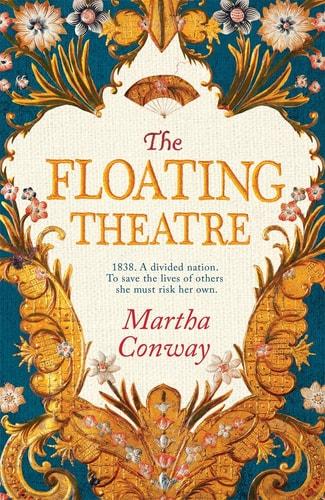
"The Floating Theatre" by Martha Conway explores several significant themes and topics, making it a rich source for connections with other books. The novel is set in **1838** and delves into the complex moral landscape of a nation divided by prejudice and the institution of **slavery** 【3】【5】.

Key themes and topics include:

*   **Abolitionism and the Underground Railroad**: The book features a strong anti-slavery message, with characters becoming involved in the abolition movement and assisting in the delivery of runaway slaves 【2】【7】.
*   **Courage and Resilience**: The story follows May Bedloe, a young seamstress, who must navigate a challenging world and make difficult choices, often risking her own safety to help others 【6】【8】.
*   **Secrets and Treachery**: The narrative is packed with intrigue, including secrets and acts of betrayal 【2】.
*   **Moral Dilemmas and Compromise**: The novel examines the complex moral choices individuals face in a society grappling with slavery 【3】.
*   **The Power of Performance and Storytelling**: The setting of a "floating theatre" serves as a platform to showcase the era's events, with the real action often occurring outside the stage 【4】.
*   **A Journey of Self-Discovery and Redemption**: Characters embark on a journey that involves romance and the possibility of redemption 【2】.

The novel's historical setting along the Ohio River and its engagement with the social and political issues of the time provide ample opportunities to connect it with other historical fiction, particularly those focusing on the antebellum period, slavery, and the Underground Railroad. The theme of a young woman forging her own path also resonates with other coming-of-age stories set in historical contexts 【1】.