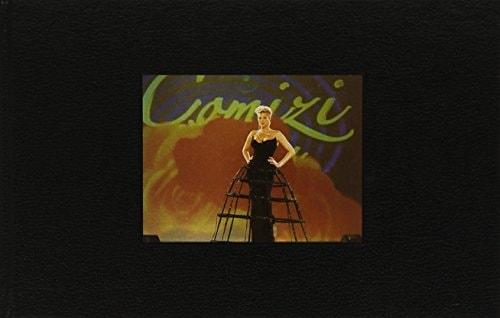
The book "Francesco Vezzoli" by Germano Celant explores themes of **contemporary culture, classical aesthetics, celebrity, glamour, and art history**. Vezzoli's work often features a sophisticated blend of these elements, utilizing mediums such as video installations, embroidery, and photography to create allegories of modern society 【2】【3】.

Key themes and topics that can help draw connections to other books include:

*   **Art and Celebrity Culture:** Vezzoli frequently engages with iconic figures from both art history and popular culture, blurring the lines between them. This connects to books discussing the intersection of art and fame, media representation, and the cult of personality 【1】【8】.
*   **Classical vs. Contemporary References:** A recurring theme is the juxtaposition of classical art and aesthetics with contemporary icons and trends 【3】. This allows for connections to books on art history, classical antiquity, and the reinterpretation of historical art forms in modern contexts.
*   **The Concept of "Tears" in Art:** Vezzoli has explored the theme of tears in his work, examining its absence in traditional museum settings and its symbolic meaning 【6】【10】. This could link to books on art theory, emotional expression in art, and the symbolism of tears across different cultures and periods.
*   **Glamour and Religion:** Vezzoli has identified "art, religion and glamour" as key pillars of his oeuvre 【1】. This theme can connect to books that analyze the role of glamour in society, the intersection of art and spirituality, and the construction of iconography.
*   **Arte Povera and Germano Celant's Influence:** Germano Celant, the author of the book, was a significant art critic and curator who coined the term "Arte Povera" (Poor Art) 【5】【9】. Connections can be made to books discussing this art movement, Italian post-war art, and Celant's broader curatorial and critical contributions to the art world 【4】.
*   **Irony and Interpretation:** Vezzoli's work often invites open and free interpretation, with an ironic or sympathetic stance on his chosen themes 【2】【7】. This theme can be linked to books on postmodernism, artistic irony, and the viewer's role in interpreting art.