Edit position
Last set 2 hours, 51 minutes ago. Manual moves override automatic placement until the next shelfie/spine match.
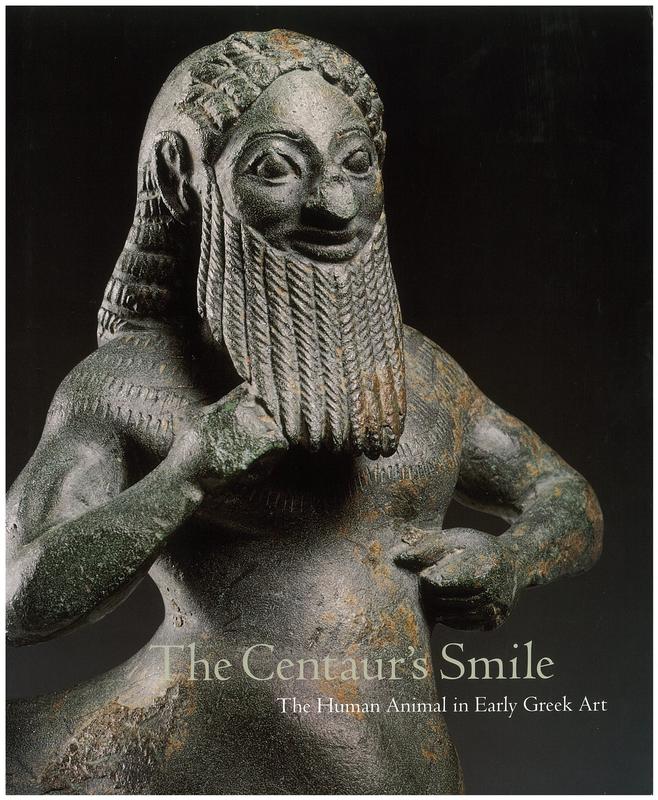
The centaur's smile : the human animal in early Greek art
by J. Michael Padgett, William A. P. Childs, Despoina Tsiafakis
This study examines the origins of composite human-animal creatures in Greek art and myth. It analyses the influence of Near Eastern and Egyptian models on the development of hybrid figures such as centaurs and satyrs during the Geometric and Archaic periods.
Book Images
Reference and live side by side Hover to see live images

CONNECTIONS
State
- on_shelf
- True
- position_updated_at
- 2026-06-20 17:03
- orientation
- vertical
- position_confidence
- 1.00
Details
Physical
- binding_type
- Hard Back
- dimensions
- none captured
- spine_text
- none captured
Metadata
- Book form
LOCATION HISTORY
8 moves in 14dBook Location
Updated 2 hours, 51 minutes agoBook Images
Reference and live side by side Hover to see live images
Vernon snapshot
View liveFrozen copy of Vernon's record from the last sync. Fields tagged → flow back into the Pulse record.
Identity
Drives Pulse state
Descriptive
Subjects & people
Cover image
Raw Vernon JSON
click to inspect
The source payload behind the snapshot above.
Raw Vernon JSON
click to inspectThe source payload behind the snapshot above.