Edit position
Last set 12 hours, 4 minutes ago. Manual moves override automatic placement until the next shelfie/spine match.
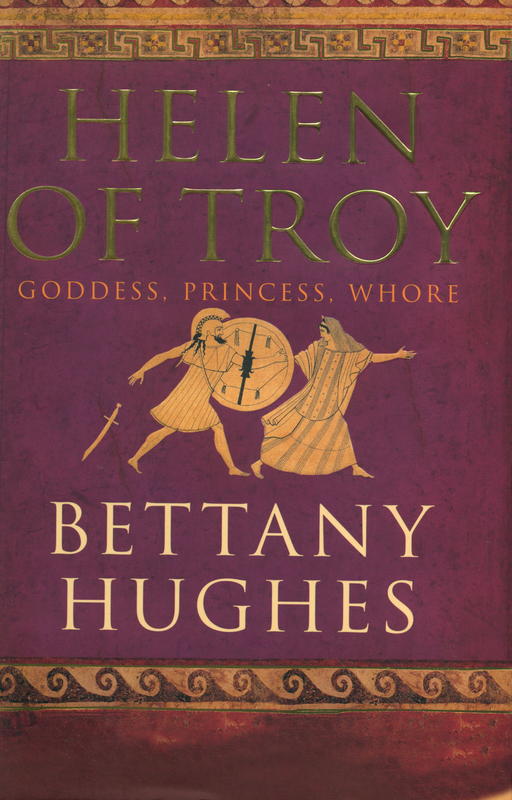
Helen of Troy : goddess, princess, whore
by Bettany Hughes
This historical study explores the legacy of Helen of Troy, tracing her evolution from a Bronze Age aristocrat to a mythological symbol of beauty. It examines archaeological and cultural evidence of her presence across Greece, North Africa, and Asia Minor.
Book Images
Reference and live side by side Hover to see live images

CONNECTIONS
State
- on_shelf
- True
- position_updated_at
- 2026-06-20 10:30
- orientation
- vertical
- position_confidence
- 1.00
Details
Physical
- binding_type
- Hard Back
- dimensions
- none captured
- spine_text
- none captured
Metadata
- Book form
LOCATION HISTORY
Book Location
Updated 12 hours, 4 minutes agoBook Images
Reference and live side by side Hover to see live images
Vernon snapshot
View liveFrozen copy of Vernon's record from the last sync. Fields tagged → flow back into the Pulse record.
Identity
Drives Pulse state
Descriptive
Subjects & people
Cover image
Raw Vernon JSON
click to inspect
The source payload behind the snapshot above.
Raw Vernon JSON
click to inspectThe source payload behind the snapshot above.